Understanding Senior Living Community Types in San Diego: A Complete Comparison
Compare independent living, assisted living, memory care, and continuing care retirement communities in San Diego. Learn which senior living option fits your needs, budget, and lifestyle preferences.
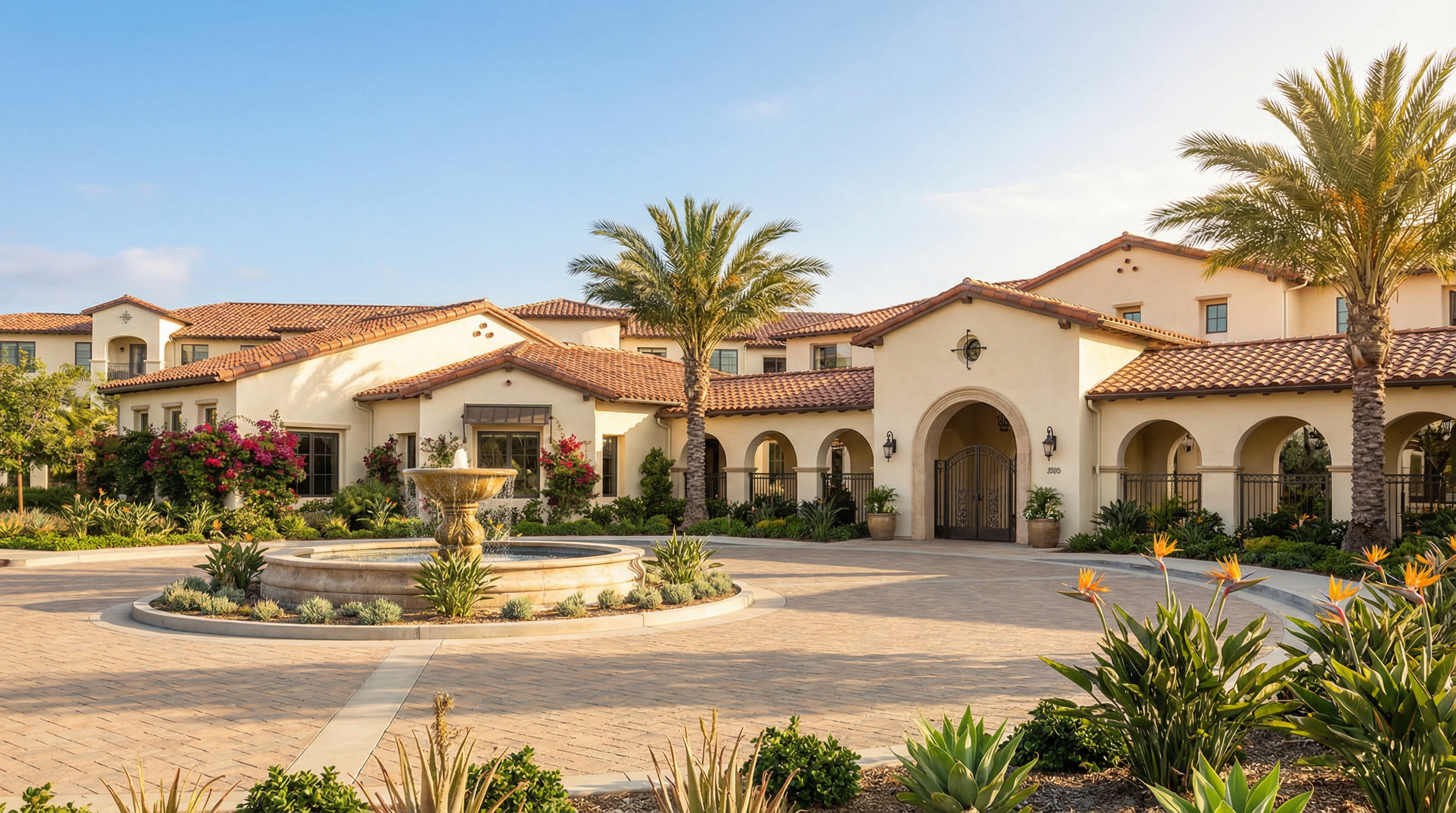
Understanding Senior Living Community Types in San Diego: A Complete Comparison
Choosing the right senior living community represents one of the most important decisions you'll make in retirement. San Diego offers diverse senior living options, each designed for different care needs, lifestyles, and budgets. Understanding the distinctions between independent living, assisted living, memory care, and continuing care retirement communities helps you make informed decisions about your future housing and care needs.
This comprehensive guide examines each senior living community type available in San Diego, comparing costs, services, lifestyle considerations, and how to determine which option best fits your current situation and future needs. Whether you're planning proactively for future transitions or need immediate solutions, this guide provides the clarity needed to navigate San Diego's senior living landscape.
Independent Living Communities
Independent living communities serve active seniors who don't require assistance with daily activities but want a maintenance-free lifestyle with social opportunities and amenities.
Who it's for includes healthy, active seniors typically aged 55-80 who can manage all activities of daily living independently. Residents want freedom from home maintenance, desire social connections with peers, and appreciate amenities like dining, fitness centers, and organized activities. Independent living suits retirees who are downsizing from larger homes and want a vibrant community environment.
Services and amenities typically include maintenance-free living with exterior upkeep, landscaping, and repairs handled by staff. Most communities offer one or more meals daily in restaurant-style dining rooms, housekeeping and laundry services, transportation to shopping and medical appointments, fitness centers and wellness programs, social activities and clubs, and 24-hour security and emergency response systems.
Housing options range from studio apartments to two-bedroom units or even small cottages. Units typically include full kitchens, private bathrooms, and living spaces. Square footage ranges from 500 to 1,200+ square feet. Many communities offer different floor plans at varying price points.
Costs in San Diego for independent living typically range from $2,500 to $5,500 per month depending on location, unit size, and included services. Coastal communities and those in premium locations cost more. Entrance fees are uncommon in independent living, with most communities operating on monthly rental basis. Some luxury communities may require entrance fees of $50,000-$200,000 plus monthly fees.
San Diego examples include The Remington Club in Rancho Bernardo, offering luxury independent living with extensive amenities. Vi at La Jolla provides independent living as part of a continuing care retirement community. Atria Carmel Mountain Ranch offers independent living in a convenient North County location. Each community has distinct character, amenities, and pricing.
Advantages of independent living include no home maintenance responsibilities, built-in social community reducing isolation, amenities like fitness centers and activities included, flexibility to travel without home care concerns, and often more affordable than maintaining a home when factoring in all costs.
Considerations include monthly costs that may increase annually, less privacy than living in your own home, community rules and regulations, and no healthcare services provided (though some communities offer care coordination). Independent living works best for those who are healthy and active but ready to simplify their lifestyle.
Assisted Living Communities
Assisted living provides housing and personal care services for seniors who need help with activities of daily living but don't require 24-hour skilled nursing care.
Who it's for includes seniors who need assistance with bathing, dressing, medication management, or mobility but remain relatively healthy overall. Assisted living suits those who can no longer live safely alone but don't need the intensive care provided in nursing homes. Many residents transition to assisted living after a health event, fall, or gradual decline in ability to manage independently.
Care services typically include assistance with activities of daily living (ADLs) such as bathing, dressing, grooming, and toileting. Medication management and reminders ensure proper medication compliance. Mobility assistance and fall prevention programs help residents move safely. Care plans are individualized based on each resident's needs and adjusted as needs change.
Housing and amenities include private or semi-private rooms or apartments, typically smaller than independent living units. Three meals daily are provided in communal dining rooms. Housekeeping and laundry services handle cleaning and linens. Social activities and programs keep residents engaged. 24-hour staff availability ensures help is always accessible.
Costs in San Diego for assisted living range from $4,500 to $8,000+ per month depending on location, room type (private vs. semi-private), and level of care needed. Higher care needs result in higher costs. Some communities charge base rates plus additional fees for specific services, while others use all-inclusive pricing. Entrance fees are uncommon in assisted living.
San Diego examples include Sunrise of La Jolla, offering memory care and assisted living in a coastal location. Atria Senior Living operates multiple San Diego locations with assisted living services. Silverado communities specialize in memory care but also offer assisted living. The Fountains at Sea Bluffs in San Diego provides assisted living with ocean views.
Advantages include professional care available 24/7, medication management reducing errors, social engagement and activities, safety and security with staff always present, and meals and housekeeping included. Assisted living provides peace of mind for families knowing their loved one receives needed care.
Considerations include significantly higher costs than independent living, less independence and privacy, potential need to move again if care needs increase beyond assisted living capabilities, and variable quality across communities requiring careful evaluation. Touring communities, checking state inspection reports, and talking with current residents and families helps assess quality.
Memory Care Communities
Memory care communities provide specialized care for individuals with Alzheimer's disease, dementia, and other memory impairments in secure environments designed for their safety and wellbeing.
Who it's for includes individuals with diagnosed dementia, Alzheimer's disease, or significant memory impairment who require supervision and specialized care. Memory care suits those who may wander and need secure environments, require assistance with most daily activities, and benefit from specialized programming designed for cognitive impairment.
Specialized services include secure environments preventing wandering, with locked doors and monitored exits. Staff receive specialized dementia care training in communication techniques, behavior management, and person-centered care. Programming is designed specifically for cognitive impairment, including reminiscence therapy, music therapy, and sensory stimulation. Lower staff-to-resident ratios ensure adequate supervision and personalized attention.
Environment design features secure outdoor spaces where residents can safely enjoy fresh air, clear wayfinding and signaling to reduce confusion, familiar, homelike environments that feel comfortable, and reduced stimulation in some areas to prevent overwhelm. Many memory care communities use color coding, memory boxes outside rooms, and other techniques to help residents navigate their environment.
Costs in San Diego for memory care typically range from $6,000 to $10,000+ per month, higher than assisted living due to specialized staffing, programming, and secure environments. Private rooms cost more than semi-private. Some communities include all services in one rate, while others charge base rates plus care level fees.
San Diego examples include Silverado communities specializing exclusively in memory care with locations in Encinitas and elsewhere. Sunrise Senior Living communities offer dedicated memory care neighborhoods. The Fountains communities include memory care options. Aegis Living provides memory care in several San Diego locations.
Advantages include specialized care from trained staff, secure environments preventing wandering, programming designed for cognitive needs, family support and education, and often better outcomes than general assisted living for those with dementia. Memory care communities understand the unique challenges of dementia and provide appropriate support.
Considerations include highest costs among senior living options, difficult emotional adjustment for families, potential need for eventual nursing home placement if medical needs increase, and variable quality requiring thorough evaluation. Visiting during activity times, observing staff interactions with residents, and asking about staff training and turnover helps assess quality.
Continuing Care Retirement Communities (CCRCs)
CCRCs offer a continuum of care from independent living through skilled nursing on one campus, providing housing security for life regardless of changing health needs.
Who it's for includes healthy, active seniors (typically 70-80) planning proactively for future care needs. CCRCs suit those with financial resources for substantial entrance fees, desire for aging in place without future moves, and preference for comprehensive services and amenities. CCRCs work best for those entering while still healthy and independent.
Continuum of care provides independent living initially, with transition to assisted living if needed, memory care for dementia if required, and skilled nursing for rehabilitation or long-term care. All services are available on the same campus, eliminating future moves. Spouses can remain together even if care needs differ.
Contract types vary among CCRCs. Life care contracts (Type A) include unlimited assisted living and skilled nursing for little or no increase in monthly fees—highest entrance fees but most financial protection. Modified contracts (Type B) include specified amounts of assisted living and nursing care, with additional care charged at discounted rates. Fee-for-service contracts (Type C) charge full daily rates for higher care levels—lowest entrance fees but least financial protection.
Costs in San Diego for CCRCs require substantial entrance fees ranging from $200,000 to $1 million+ depending on unit size and contract type, plus monthly fees of $3,000 to $8,000+. Entrance fees are partially refundable (typically 50-90%) to the resident or estate upon leaving or passing away. Monthly fees increase annually, typically 3-5%.
San Diego examples include Vi at La Jolla, one of San Diego's premier CCRCs offering luxury amenities and comprehensive services. The Cypress of Hilton Head (despite the name, has San Diego presence) provides continuing care. Silverado communities, while known for memory care, also offer some CCRC-style services. Several other CCRCs serve the San Diego region.
Advantages include lifetime housing security regardless of health changes, no future moves even as care needs increase, comprehensive amenities and services, strong social communities, and financial predictability with life care contracts. CCRCs provide peace of mind about future care needs.
Considerations include very high entrance fees requiring substantial assets, monthly fees that increase annually, financial health of the community (some CCRCs have faced financial difficulties), potential loss of entrance fee if leaving early, and need to enter while healthy (most require independent living capability initially). Thoroughly review the community's financial statements and contract terms before committing.
Active Adult Communities (55+ Communities)
While not technically senior living communities, active adult communities deserve mention as popular options for younger retirees.
Who it's for includes active adults 55+ who don't need care services but want age-restricted communities with amenities and social activities. These communities suit those downsizing from larger homes, seeking social connections with peers, and wanting resort-style amenities.
Features typically include age restrictions (at least one resident must be 55+), resort-style amenities like clubhouses, pools, and fitness centers, organized social activities and clubs, maintenance-free or low-maintenance homes, and no care services provided. These are ownership communities (purchase homes) rather than rental.
San Diego examples include Del Webb at Civita in Mission Valley, offering new construction homes with extensive amenities. Trilogy at La Costa in Carlsbad provides luxury active adult living. Escaya in Chula Vista includes an active adult neighborhood. These communities typically offer homes from $600,000 to $1.2 million.
Advantages include home ownership building equity, resort-style amenities, vibrant social communities, and no care services (keeping costs lower). Active adult communities suit healthy retirees wanting community without care services.
Considerations include no care services if health declines (requiring eventual move), ongoing home maintenance responsibilities (though often reduced), HOA fees for amenities, and need to sell home if leaving. These communities work best for those in their 60s and early 70s who are healthy and active.
Choosing the Right Community Type
Selecting the appropriate senior living community requires honest assessment of current needs, realistic projection of future needs, and careful evaluation of financial resources.
Assess current needs by evaluating your ability to manage activities of daily living independently. Can you safely bathe, dress, prepare meals, manage medications, and handle housekeeping? If yes, independent living or active adult communities may be appropriate. If you need help with some activities, assisted living may be necessary. If you have memory impairment, memory care provides appropriate support.
Project future needs by considering family health history, current health trajectory, and desire to avoid future moves. If you're currently healthy but want to avoid future transitions, CCRCs provide lifetime housing security. If you're comfortable moving as needs change, starting in independent living and transitioning to assisted living later may be more affordable.
Evaluate financial resources by calculating available assets, monthly income, and long-term financial sustainability. Can you afford entrance fees if considering CCRCs? Will monthly fees fit your budget even with annual increases? Do you have long-term care insurance that might cover some costs? Consulting a financial advisor helps ensure your choice is financially sustainable.
Consider location preferences including proximity to family, access to preferred healthcare providers, neighborhood character (urban vs. suburban), and climate preferences (coastal vs. inland). San Diego's diverse communities offer options in various settings.
Tour multiple communities to compare amenities, observe resident engagement and happiness, evaluate staff interactions and professionalism, assess cleanliness and maintenance, and review menus and meal quality. Most communities offer complimentary meals and tours—take advantage to experience the community firsthand.
Review contracts carefully before committing, understanding what's included in monthly fees, how fees increase over time, refund policies for entrance fees, and policies for care level changes. Consider having an elder law attorney review CCRC contracts given their complexity and financial magnitude.
Making Your Decision
Choosing senior living communities is deeply personal, balancing practical needs with emotional preferences. Start researching options before you need them, allowing time for thoughtful decisions rather than crisis-driven choices.
San Diego's senior living communities offer high-quality options across all care levels, from active adult communities for healthy retirees to comprehensive CCRCs providing lifetime care. Understanding the distinctions between community types, honestly assessing your needs, and carefully evaluating specific communities helps ensure you find the right fit for your retirement years.
The goal is finding a community where you'll thrive—socially, physically, and emotionally—while receiving appropriate care and services as your needs evolve. With San Diego's excellent senior living options and beautiful environment, you can find communities that support healthy, engaged, fulfilling retirement living.
RELATED TOPICS
Get More Retirement Insights
Subscribe to receive expert tips, community updates, and exclusive retirement planning resources.
Related Articles